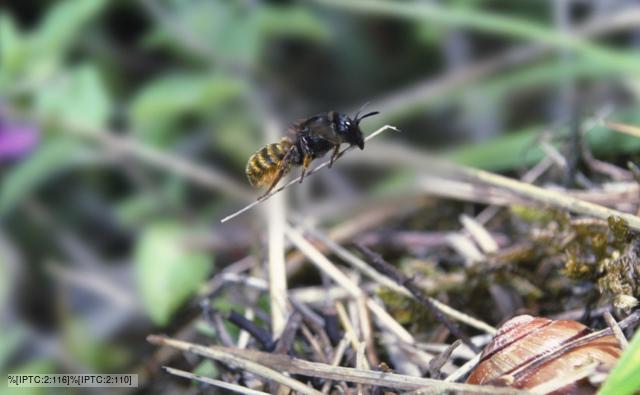
One
During the autumn, after mating with a male, a newly hatched queen must feed on nectar in order to build up fat reserves before she goes into hibernation underground for the winter. She can even produce her own antifreeze if the temperature dips too low to prevent her whole body from freezing.
Two
In the spring she emerges from the ground and heads off into the world to feed and find a suitable place for a nest site.
Three
2 weeks after coming out of hibernation, the new queen prepares to lay her eggs. She builds up a store of protein rich pollen and begins to feed off of it, her ovaries react to digesting this protein rich pollen and she begins laying. She moulds a small honeypot using her own wax and creates a ball of pollen, which she lays her eggs onto.
Four
After about 4 days the eggs hatch into larvae, the queen produces a protective cell to encase her newly hatched brood. She feeds the larvae on pollen collected from near her nest site and as they grow she then prepares tokay a second batch of eggs.
Five
4-5 weeks after the first eggs were hatched the first workers emerge as adults. They collect pollen and nectar, feed and attend to the larvae, and protect their queen.
Six
16 weeks later and the nest is filled to capacity with queen and workers. The queen then moves onto producing fertilised eggs which contain new queens and unfertilised eggs which become males. These larvae are feed greater amounts more frequently through their development.
Seven
When the males hatch, at about 18 weeks, they leave the nest site in order to find a mate. Approximately a week after this the queens emerge and mate with the males.
Eight
24 weeks later and the colony has now come to an end, the males, workers and the queen all die. Only newly hatched and mated queens survive. They begin to feed on nectar and build up their fat reserves and find a suitable site to hibernate in and survive through the the winter, ready to emerge next spring.